

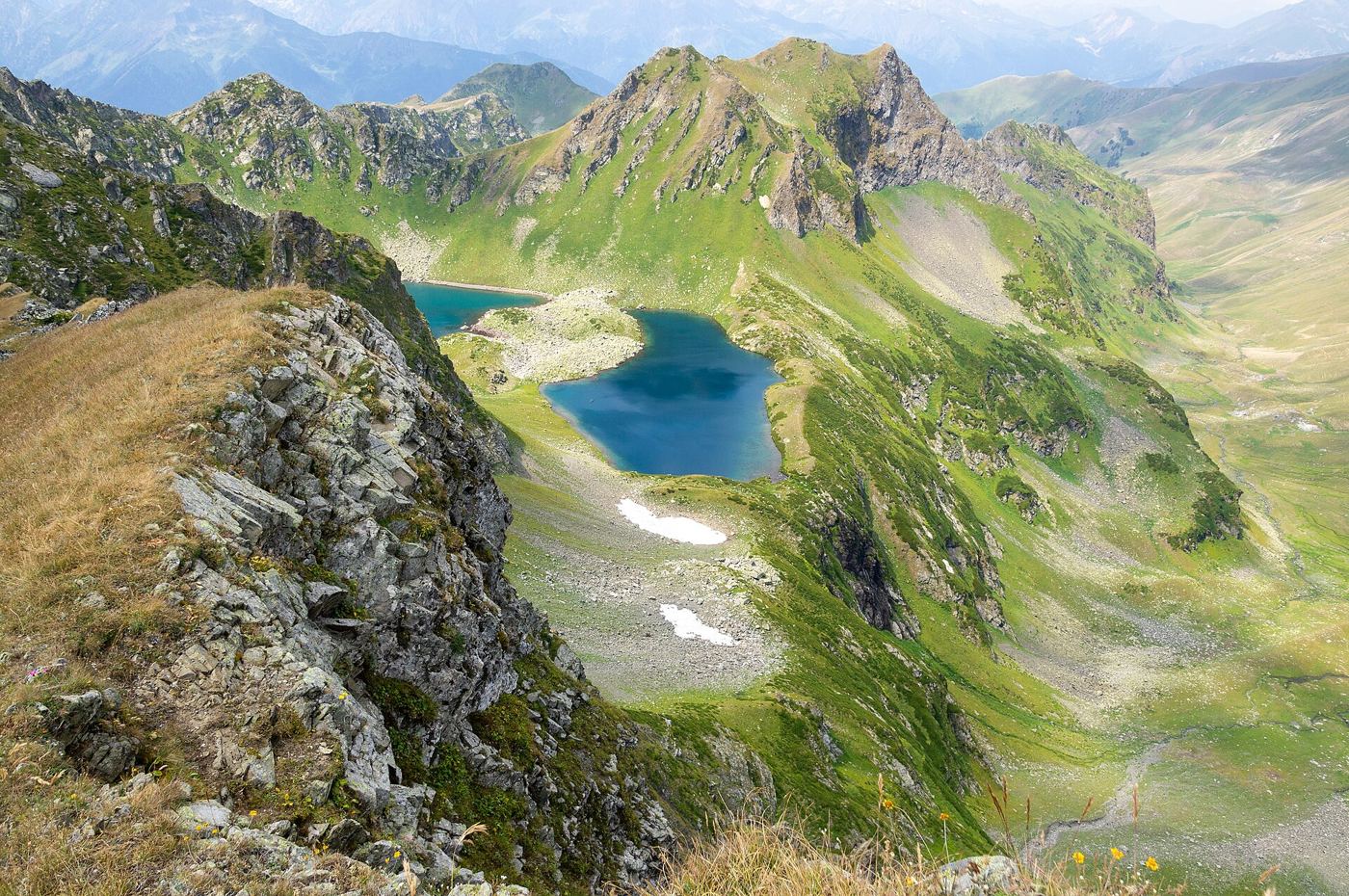
Cores of mud pulled from lake beds are giving ecologists a way to reconstruct entire past ecosystems, not from bones and pollen alone but from fragments of DNA shed by every organism that lived in and around the water. This sedimentary ancient DNA survives for thousands of years in cold, undisturbed layers, and sequencing it can reveal fish, plants, mammals, fungi and microbes from the same dated slice of time. The method excels where the fossil record is silent: soft-bodied creatures, species too rare to fossilise and the exact moment a newcomer arrived or a resident vanished. Studies have traced how lakes responded when climates warmed after the ice age, which fish communities assembled first and how the arrival of humans and their livestock registered in the water. Because each layer can be dated, researchers can measure the speed of past ecological change and compare it with today’s, a comparison that often shows modern shifts moving unusually fast. Contamination is the method’s great enemy, demanding sterile coring, protective clothing and laboratories built for ancient DNA, where a single modern skin cell can swamp a fragile signal. Statistical care matters equally, since DNA may wash in from surrounding soils as well as from the lake itself.
What the Evidence Shows
As costs fall, sediment DNA is becoming a routine tool for conservation as well as history. Managers restoring a lake can consult its own past to choose target species that genuinely belong there, rather than guessing from incomplete records. Repeat coring after restoration can then verify whether the community is moving toward that reference state. The technique also detects invasive species earlier than netting or visual surveys, because a few shed cells betray a presence that bodies have not yet revealed, and water samples using the same principle now monitor living lakes without disturbing them. Looking ahead, researchers hope to recover DNA from older and warmer sediments, which would extend the record into periods when Earth was hotter than today and ecosystems faced conditions resembling our future. Those deep-time reconstructions could test whether communities reassembled predictably after past warming or fell into novel states, a question with direct bearing on modern conservation planning. The mud beneath an ordinary lake, long valued only by geologists, turns out to be an archive as rich as any library: layer upon layer of biological handwriting, waiting for readers patient enough to decode it one molecule at a time. Reporting and analysis from sources such as National Science Foundation track the same developments, and specialists following ancient DNA in lake sediments say the direction is now consistent across independent lines of evidence.
The Wider Context
The wider context is a research landscape in which replication and open data now decide reputations. Findings connected to ancient DNA in lake sediments are being checked by independent groups with shared datasets, and the teams involved publish their methods in full so rivals can test every step. That discipline is slower than a headline cycle, but it is why results in this area increasingly survive first contact with scrutiny.
What Happens Next
What happens next in the story of ancient DNA in lake sediments will be decided by follow-up work already under way: larger samples, longer observation and instruments that have not yet come online. The researchers involved are unusually united on one point, that the current results justify the next investment of time and money. Readers will not have to wait long for the first tests of that claim. You can follow related developments in our coverage of science.
