

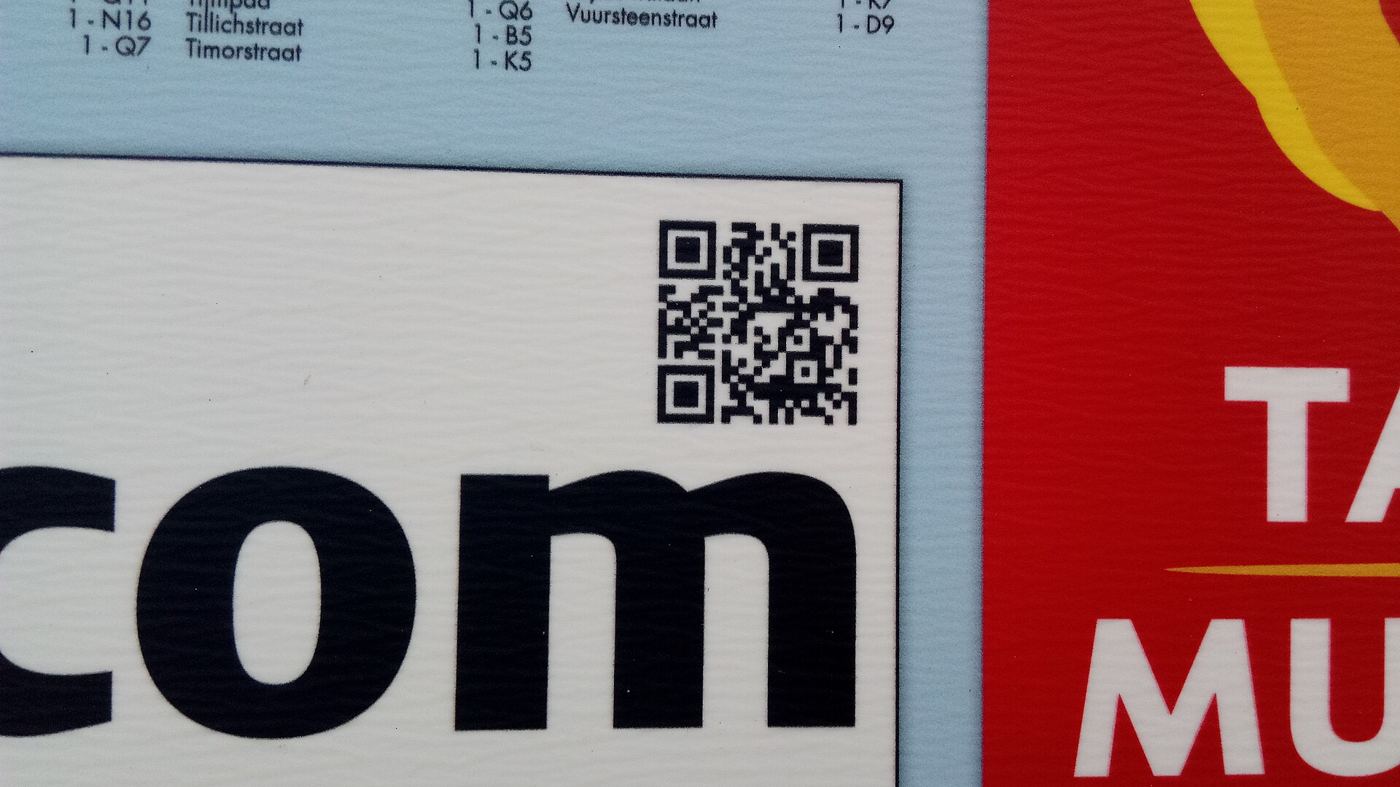
The black-and-white square has become one of the most trusted symbols of modern life. QR codes open menus, pay for parking, log in to services and confirm deliveries, and people scan them without a second thought. Criminals have noticed. In a scam known as quishing, short for QR code phishing, attackers hide a malicious link inside a code that leads to a fake login page, a payment form or a download carrying malware. The trick works because the code conceals its destination: unlike a written web address, it cannot be read at a glance. The FBI has warned about criminals pasting fake codes over genuine ones on parking meters, and about unsolicited parcels arriving with a code that victims are urged to scan. In Britain, Action Fraud received 784 quishing reports between April 2024 and April 2025, with almost 3.5 million pounds lost, and car parks were the most common setting.
What the Evidence Shows
The danger is growing because email filters often fail to inspect images, so a code inside an attachment can slip past defences that would catch a suspicious link. In January 2026 the FBI and the United States Cybersecurity and Infrastructure Security Agency warned that North Korean hackers had used malicious QR codes in spear-phishing campaigns against think tanks, universities and government bodies. The defences are simple but require a change of habit. Phone cameras now show a preview of the address before opening it, and that preview should always be checked. Codes on posters, meters and parcels should be examined for stickers placed over the original, and apps should only ever be downloaded from an official store. A code that arrives unexpectedly, or that demands urgent action, deserves the same suspicion as any strange link. Reporting and analysis from sources such as IEEE Spectrum track the same developments, and specialists following QR code phishing say the direction is now consistent across independent lines of evidence.
The Wider Context
Adoption of QR code phishing follows a familiar pattern with an unfamiliar speed. Early users tolerate rough edges in exchange for advantage, mainstream users arrive when the tool disappears into existing workflows, and the market consolidates around whoever made that transition feel effortless. Vendors are racing less on raw performance now than on integration, support and trust.
What Happens Next
The realistic forecast for QR code phishing is steady integration rather than sudden replacement: embedded in products people already use, improving in increments, and regulated in proportion to its reach. The companies and institutions that plan on that basis, training staff and redesigning processes instead of chasing launches, are the ones the adoption data tends to vindicate. You can follow related developments in our coverage of technology.
It is also worth remembering how quickly the picture in this area has changed before. Positions that looked settled a few years ago have been revised as new data arrived, and the same humility is appropriate now. The strongest coverage of this subject, and the most useful advice, tends to come from sources that update their views openly when the facts move, rather than defending an earlier position long after it has stopped fitting the evidence available.
