

The ‘Doomsday Glacier’ Nickname Hides the Real Science. Here’s the Actual Picture
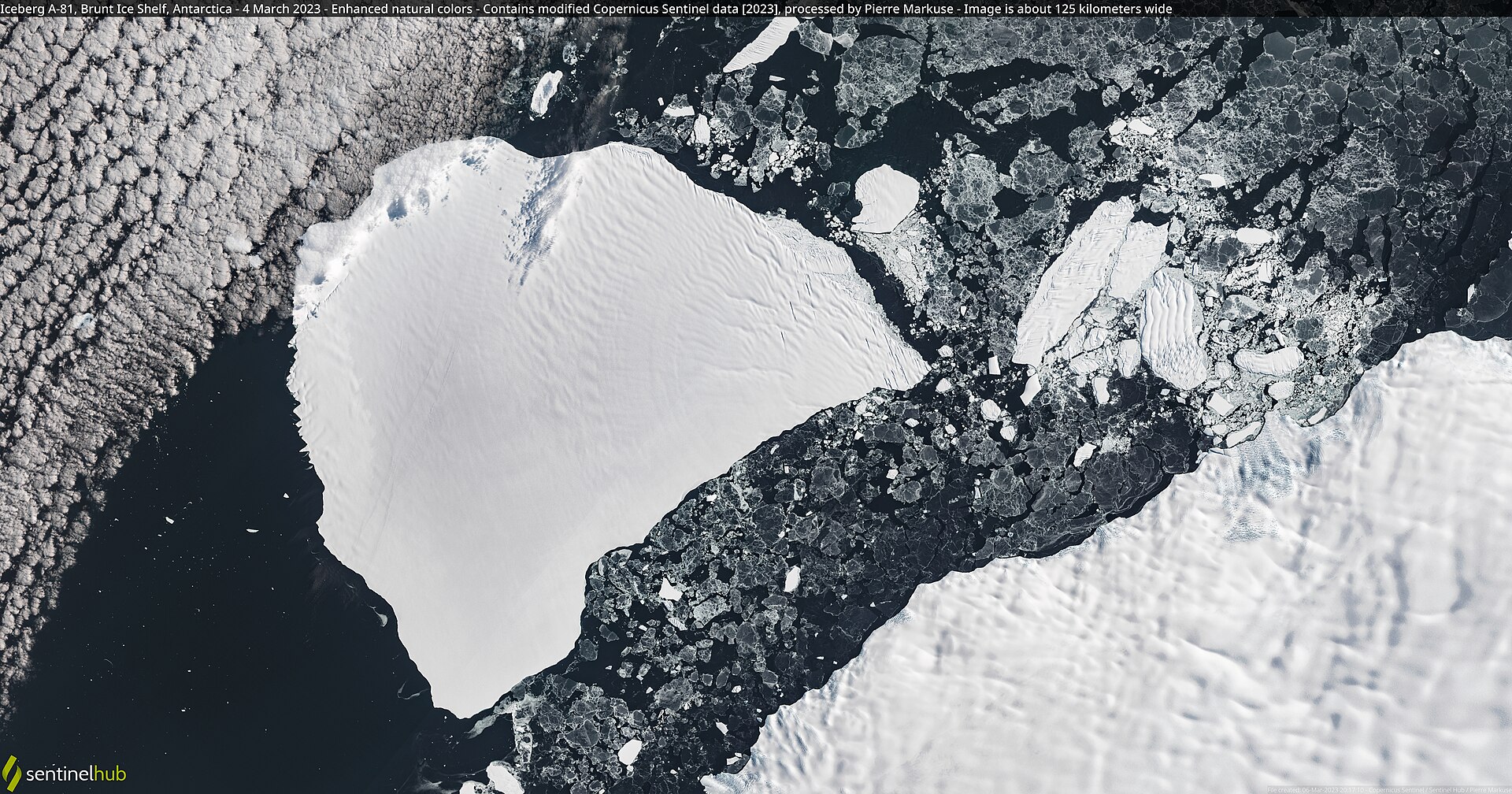
No glacier carries a heavier nickname than Thwaites in West Antarctica, routinely labelled “doomsday” for the roughly 65 centimetres of global sea-level rise locked in its own basin, and the larger system its retreat could destabilise. International programmes, with data shared through agencies including NASA, have spent years instrumenting this remote, hostile coastline to replace the nickname with knowledge.
What is established
The glacier’s grounding line, where ice lifts off the bed and floats, is retreating. Warm ocean water reaches the ice front. Satellite records show thinning and speed-up over decades. The bed slopes downward inland, the geometry that theory says can sustain runaway retreat once it begins in earnest. None of that is contested.
What is not established is the timetable: whether collapse plays out over centuries or faster, and whether cliff-instability mechanisms, the most dramatic in the models, operate at the feared scale in nature.
Why the distinction matters
Coastal cities must plan on probabilities across those timescales, and insurers and engineers need ranges, not slogans. Our science coverage on newsbush.com holds the line the researchers themselves hold: Thwaites is genuinely one of the most consequential glaciers on Earth, the concern is evidence-based, and the honest answer on timing is a range that monitoring, not rhetoric, will narrow.
Measuring a continent’s mood
The observing system is itself a scientific achievement: radar and laser altimetry satellites, gravity missions that weigh the ice sheet from orbit, autonomous floats under the shelves, and weather stations in places no one can overwinter. Together they converted Antarctica from a continent of anecdotes, visited briefly by expeditions, into the most continuously measured wilderness on Earth. The trends they reveal gain their authority from that redundancy.
The fieldwork behind the satellites
For all the orbital instrumentation, the decisive measurements still come from people on the ice: drilling through a kilometre of shelf to lower instruments into the hidden ocean, servicing sensors in katabatic winds, flying radar lines over whiteout terrain. The programmes are feats of logistics rivalling the science, and their continuity, maintained across decades and funding cycles, is what makes a trend line rather than a snapshot possible.
Decisions being made under uncertainty
Coastal defence, insurance and infrastructure decisions being taken this decade will live with the sea-level outcomes of the next century. The Antarctic science does not give those decisions a number; it gives them a narrowing distribution and a clear account of what would make the bad tail likelier. In decision terms that is the most valuable product science sells, and the watching satellites are, quite literally, buying down the uncertainty year by year.
Why this field is moving now
Progress in the sciences is lumpy because it waits on tools. A cheaper sensor, a faster sequencer, a better telescope or a new statistical method can unlock a decade of queued questions at once, which is why several apparently unrelated breakthroughs often arrive together: they were all waiting on the same instrument. Funding follows the tools, talent clusters around them, and the literature swells. Readers trying to judge whether a field is genuinely accelerating should look less at individual papers and more at whether the underlying instruments are getting cheaper, faster or more widely shared.
How to read a study like a scientist
Single studies rarely settle questions; they adjust probabilities. The habits that help: check the sample size and who was studied, ask whether the effect is large enough to matter outside the laboratory, look for whether the result has been replicated or pre-registered, and notice what the researchers themselves list as limitations. Science coverage earns trust not by amplifying the loudest claim but by placing each result on the scale of existing evidence. That is the standard this page tries to keep, and the reason follow-ups and corrections are part of the process rather than embarrassments to it.
Related reading: The Two-Word Trick That Doubles Follow-Through: If-Then
