

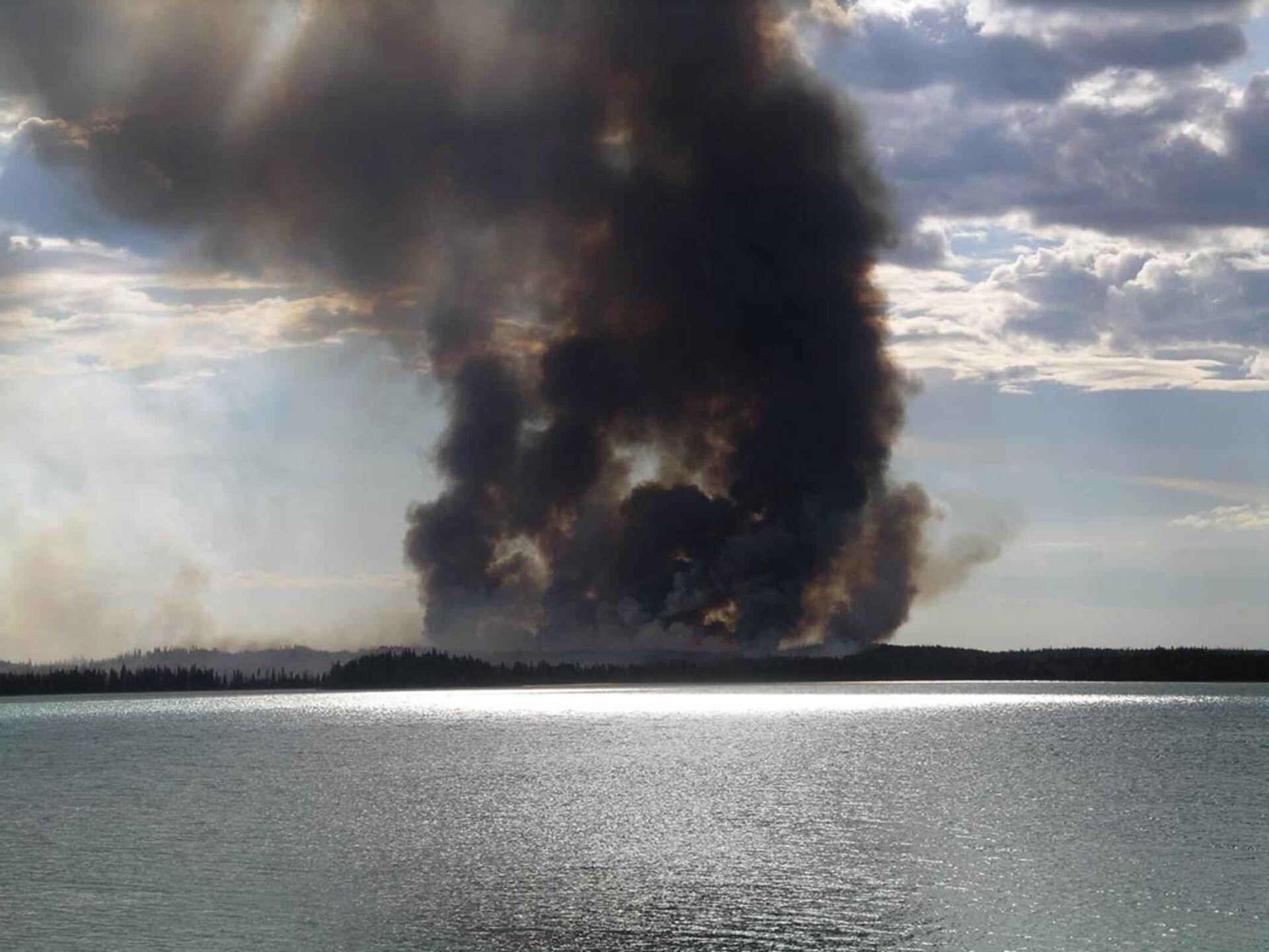
Every summer, the images return: orange skies, helicopters bucketing water, and whole hillsides alight. Wildfires are a natural part of many ecosystems, but hotter, drier conditions and decades of accumulated fuel have made the largest blazes far harder to control. The encouraging news is that the science of preventing them — not just fighting them — is advancing quickly.
From satellites that spot ignitions within minutes to forests deliberately thinned and burned under controlled conditions, researchers and land managers are rethinking fire as something to be managed all year round rather than fought for a few dramatic weeks. At News Bush, we look at the tools changing the field.
Seeing fire earlier
The first battle is detection. Networks of cameras mounted on towers now scan forests around the clock, using machine learning to distinguish wildfire smoke from cloud, dust or fog and alert operators within minutes. Satellites add a wider view: the Earth-observing systems run by NASA track active fires and burn scars across the globe, while newer commercial constellations aim to spot small fires before they have a chance to grow.
Speed matters enormously. A fire attacked in its first hour, while it is still small, can often be contained by ground crews alone; one discovered late may need aircraft, evacuations and weeks of exhausting work. Every minute saved at detection is worth hours later.
Drones are joining the effort. Aircraft carrying thermal cameras can map a fire’s edge through smoke that grounds conventional planes, feeding live data to incident commanders and helping them decide where crews can safely engage. Combined with weather modelling that predicts how a fire will behave hour by hour, the picture facing firefighters today is unrecognisably richer than the paper maps and guesswork of a generation ago.
Treating the forest before it burns
The second shift is about fuel. A century of suppressing every fire left many forests choked with undergrowth and dead wood — a ladder that carries flames up into the canopy, where they become unstoppable. Managers now use two main remedies: mechanical thinning, and prescribed burning, in which low-intensity fires are set deliberately in cool, damp conditions to clear fuel safely.
Research summarised by agencies such as the US Geological Survey shows that treated areas often burn far less severely when wildfire does arrive, giving firefighters defensible ground to work from. Indigenous communities, who practised cultural burning for millennia, are increasingly partners in these programmes — a theme we return to in our latest coverage of environmental science.
None of this work is cheap, and it is slow: treating a landscape takes years, and the treated area must be maintained or the fuel simply grows back. Funding has historically surged after disasters and faded between them, which scientists say is exactly backwards — prevention money spent steadily outperforms emergency money spent in panic, because the cheapest wildfire is always the one that never takes hold.
Homes, warnings and the human factor
Most structures lost to wildfire are ignited not by the main flame front but by wind-blown embers landing on roofs, in gutters and on wooden decks. That insight has produced practical guidance: non-combustible roofing, screened vents, cleared gutters and a well-maintained defensible space around the house. Building codes in fire-prone regions are slowly catching up with the evidence.
Communities are adapting socially, too. Neighbourhood fire-preparedness groups, shared evacuation plans and insurance incentives for mitigation work are spreading through fire-prone regions, reflecting a broader shift in mindset: living with fire is becoming a permanent condition to manage, rather than a seasonal emergency to endure and then forget.
Warning systems are improving too, with targeted phone alerts, clearer evacuation mapping and better public understanding of fire weather. The science cannot repeal hot, dry, windy conditions, and climate change is loading the dice towards more extreme fire seasons. But earlier detection, treated landscapes and ember-proof homes are converting some potential catastrophes into survivable events — and that is real, measurable progress.
