

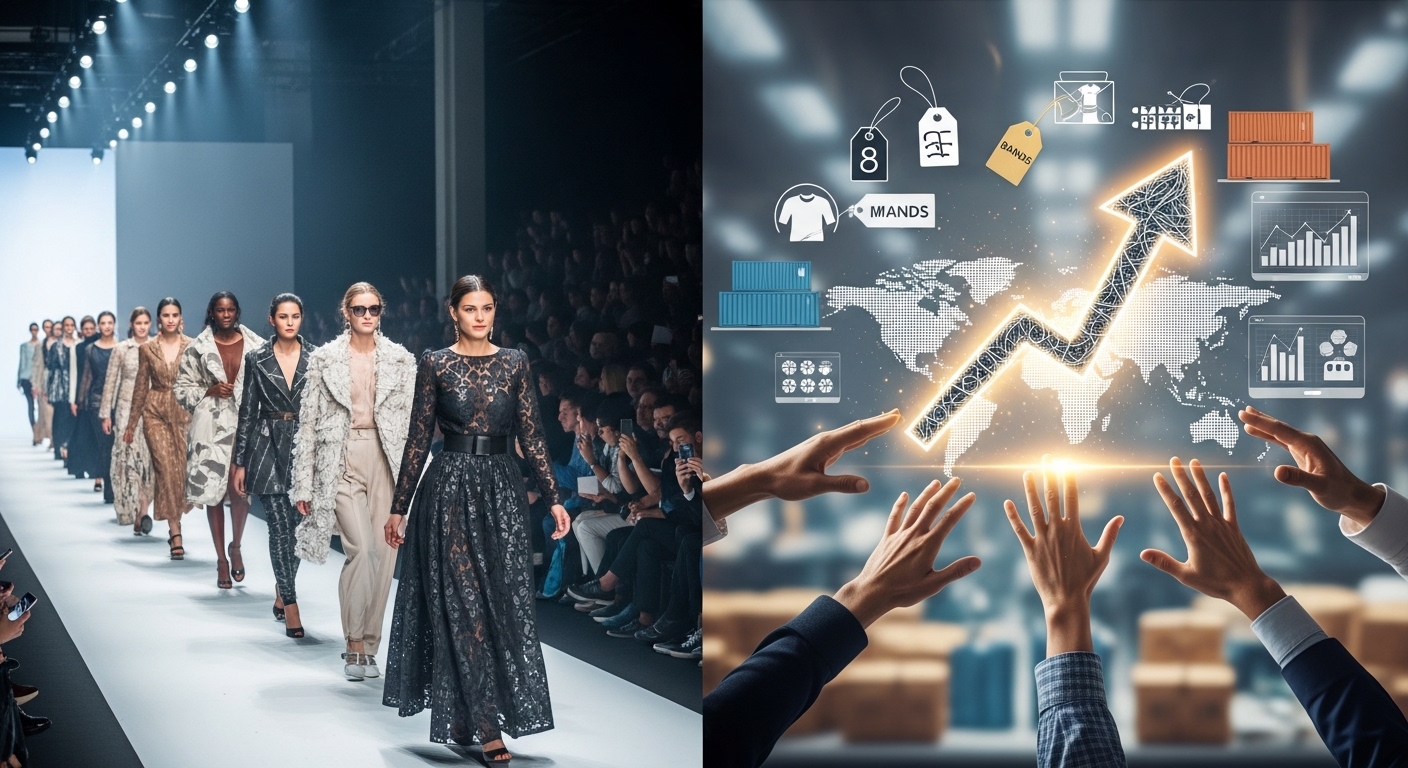
Fashion industry plays a powerful role in driving global clothing market growth by shaping trends, influencing consumer demand, and supporting international trade. With digital innovation, fast fashion expansion, and evolving consumer lifestyles, the sector continues to transform rapidly. From luxury brands to sustainable clothing solutions, fashion remains a key contributor to global economic development and retail expansion across markets worldwide today.
Digital Transformation in Fashion Industry
E-commerce Platforms Expansion
E-commerce platforms are transforming the fashion industry by enabling global reach, faster transactions, and personalized shopping experiences. Brands use digital tools to increase sales, improve customer engagement, and reduce reliance on physical stores while adapting quickly to changing consumer preferences across worldwide markets globally effectively
Social Media Influence on Fashion Trends
Social media platforms significantly influence fashion trends by rapidly spreading styles, ideas, and brand awareness across global audiences. Influencers and content creators shape consumer preferences, increase engagement, and drive demand for new clothing collections, helping fashion businesses expand visibility and market reach worldwide very quickly
AI Driven Fashion Design
Artificial intelligence is reshaping fashion design by analyzing consumer data, predicting trends, and optimizing clothing production. Designers use AI tools to create innovative styles, reduce waste, and improve efficiency, helping fashion companies respond faster to market demands and stay competitive in global clothing markets today
Mobile Shopping Behavior
Mobile shopping is changing fashion consumption by allowing customers to browse, compare, and purchase clothing through smartphones anytime. This convenience increases sales, improves customer engagement, and supports global fashion brands in reaching wider audiences while enhancing digital retail experiences across competitive markets very rapidly now
Virtual Fashion Technology
Virtual fashion technology enables designers and brands to create digital clothing collections for online platforms, reducing production costs and environmental impact. It enhances creativity, allows virtual try-ons, and improves customer experience while supporting innovation and sustainability in the global fashion industry worldwide across markets today
Global Supply Chain Expansion
Manufacturing Outsourcing
Fashion brands increasingly rely on manufacturing outsourcing to reduce production costs and improve efficiency. Countries with lower labor costs support large-scale clothing production, enabling faster supply chain operations and helping global brands meet rising consumer demand while maintaining competitive pricing in international markets globally today
Raw Material Sourcing Networks
Global fashion industry depends on raw material sourcing networks that connect suppliers of cotton, wool, and synthetic fibers across different regions. These networks ensure steady supply, cost efficiency, and consistent quality, supporting large-scale clothing production and international trade expansion across global markets driving growth worldwide
Logistics Optimization Systems
Advanced logistics optimization systems improve transportation, warehousing, and distribution processes in the fashion industry. These systems reduce delays, lower costs, and enhance efficiency, enabling faster delivery of clothing products to global markets and improving customer satisfaction across international supply chains supporting global trade efficiency networks
Trade Policy and Tariffs
Trade policy and tariffs significantly influence the global fashion supply chain by affecting production costs, import-export dynamics, and pricing strategies. Favorable policies encourage international trade, support market expansion, and help fashion brands operate efficiently across multiple regions and economies worldwide driving industry growth globally today
Global Distribution Centers
Global distribution centers play a vital role in managing inventory, processing orders, and delivering clothing products efficiently across international markets. These hubs streamline operations, reduce delivery times, and support fashion brands in meeting global demand with improved accuracy and speed ensuring smooth supply flow today
Consumer Trends and Fast Fashion
Fast Fashion Growth Dynamics
Fast fashion growth is driven by rapid production cycles, affordable pricing, and constant trend updates. Brands quickly respond to consumer demand, producing large volumes of clothing inspired by runway designs, increasing global accessibility and boosting sales across international fashion markets worldwide industry expansion today globally
Seasonal Fashion Demand
Seasonal fashion demand influences clothing production cycles as brands introduce new collections based on weather patterns, cultural events, and consumer preferences. This cyclical demand drives continuous sales growth, encourages innovation, and supports global expansion of fashion retailers across diverse markets driving retail growth worldwide today
Influencer Marketing Impact
Influencer marketing significantly impacts fashion consumption by promoting brands, styles, and trends through social media platforms. Influencers shape purchasing decisions, increase brand awareness, and drive global demand for clothing products across diverse online audiences and digital marketplaces enhancing visibility and boosting sales globally today rapidly
Affordable Clothing Demand
Affordable clothing demand drives mass production in the fashion industry as consumers seek stylish yet low-cost apparel. Brands respond by optimizing production methods, reducing costs, and expanding global reach, making fashion accessible to wider populations across developed and emerging markets supporting economic growth globally today
Changing Consumer Preferences
Changing consumer preferences are reshaping the fashion industry as buyers prioritize sustainability, personalization, and affordability. Brands adapt by introducing innovative designs, flexible production systems, and responsive marketing strategies to meet evolving global demand across competitive clothing markets driving continuous market transformation globally today rapidly expanding
Luxury Fashion Market Growth
Premium Brand Positioning
Luxury brands position themselves through exclusivity, craftsmanship, and heritage, attracting high-income consumers seeking premium clothing experiences. This positioning strengthens brand value, increases profitability, and drives global demand for high-end fashion products across international markets enhancing exclusivity and sustaining long term market expansion globally today rapidly
Celebrity Endorsement Influence
Celebrity endorsements significantly boost luxury fashion demand by increasing brand visibility and credibility. High-profile figures influence consumer perceptions, attract affluent buyers, and strengthen global recognition of premium clothing brands across international fashion markets driving luxury market expansion and increasing sales growth worldwide today rapidly globally
High End Retail Stores
High end retail stores provide personalized shopping experiences, exclusive collections, and premium customer service. These stores attract wealthy consumers, enhance brand prestige, and contribute significantly to global luxury fashion market growth across major cities supporting international expansion and strengthening brand identity worldwide today rapidly growing
Luxury E-commerce Growth
Luxury e-commerce platforms are transforming high-end fashion sales by offering digital access to premium brands. Online luxury shopping increases convenience, expands global reach, and attracts younger affluent consumers seeking exclusive products through digital channels driving modern retail transformation across global luxury markets today rapidly expanding
Heritage Luxury Brands
Heritage luxury brands maintain long-standing traditions, craftsmanship, and reputation that attract loyal customers worldwide. These brands preserve cultural value, strengthen identity, and continue to dominate global luxury fashion markets through consistent innovation and exclusivity supporting global expansion and sustaining long term growth today rapidly success
Sustainable Fashion Movement
Eco Friendly Materials
Eco friendly materials are increasingly used in fashion production to reduce environmental impact and promote sustainability. Organic cotton, recycled fabrics, and biodegradable textiles help brands lower carbon footprints while meeting growing consumer demand for responsible clothing options supporting green growth in global markets today rapidly
Waste Reduction Practices
Waste reduction practices in fashion industry focus on minimizing textile waste through recycling, upcycling, and efficient production methods. These strategies reduce environmental damage, improve resource efficiency, and support sustainable growth across global clothing markets driving sustainability transformation across industries worldwide today rapidly supporting circular economy
Ethical Manufacturing Standards
Ethical manufacturing standards ensure fair labor practices, safe working conditions, and responsible sourcing in the fashion industry. These standards improve brand reputation, build consumer trust, and support sustainable global clothing production across international markets enhancing transparency and strengthening global supply chains today rapidly worldwide growth
Green Supply Chains
Green supply chains integrate sustainable practices into sourcing, manufacturing, and distribution processes. These systems reduce environmental impact, improve efficiency, and support eco friendly growth across global fashion markets while promoting responsible business operations driving sustainable innovation and long term industry growth globally today rapidly success
Consumer Awareness Shift
Consumer awareness shift is encouraging more sustainable choices in fashion as buyers prioritize environmental responsibility and ethical production. This change drives demand for eco friendly brands and supports long term growth of sustainable clothing markets globally driving global green fashion expansion today rapidly market shift
E-commerce and Online Retail Growth
Online Shopping Convenience
Online shopping convenience allows consumers to purchase clothing anytime through digital platforms. This accessibility increases sales, improves customer satisfaction, and enables fashion brands to reach global audiences efficiently while reducing dependence on physical retail stores driving digital retail expansion across global markets today rapidly growth
Mobile Commerce Growth
Mobile commerce growth is reshaping the fashion industry as consumers increasingly use smartphones for browsing and purchasing clothing. This trend enhances convenience, boosts sales, and supports global expansion of online fashion retailers across competitive digital markets driving e commerce growth worldwide today rapidly market growth
Digital Payment Systems
Digital payment systems simplify transactions in online fashion retail by offering secure, fast, and convenient payment options. These systems increase trust, reduce transaction friction, and support global e-commerce growth across international clothing markets driving secure digital commerce expansion and improving customer experience globally today rapidly
Cross Border Online Trade
Cross border online trade enables fashion brands to sell clothing internationally through digital platforms. This expansion increases market reach, enhances revenue potential, and strengthens global competitiveness for online retailers in the fashion industry driving global trade growth and expanding digital fashion markets worldwide today rapidly
Personalized Shopping Experience
Personalized shopping experience uses data analytics and AI to recommend clothing based on customer preferences. This approach improves engagement, increases conversion rates, and enhances satisfaction in global online fashion retail environments driving AI powered retail growth and improving customer loyalty in global markets today rapidly
Technological Innovation in Clothing Design
3D Design Technology
3D design technology allows fashion designers to create realistic virtual clothing models before production. This reduces waste, improves accuracy, and speeds up design processes, helping brands innovate faster and respond efficiently to global market demands driving digital innovation in fashion industry worldwide today growth
Smart Textile Development
Smart textile development integrates sensors and advanced materials into fabrics, enabling clothing to respond to environmental conditions. This innovation enhances functionality, improves user experience, and supports future growth in high tech fashion industries driving innovation in smart apparel and expanding global fashion technology today rapidly
Automation in Manufacturing
Automation in manufacturing improves clothing production efficiency by using robotics and AI-driven systems. It reduces labor costs, increases accuracy, and accelerates production cycles, enabling fashion brands to meet global demand more effectively driving industrial automation growth and improving efficiency in global fashion supply chains today
Virtual Reality Fashion Shows
Virtual reality fashion shows allow audiences to experience runway events digitally from anywhere in the world. This technology increases accessibility, reduces costs, and enhances engagement for global fashion brands and consumers driving immersive digital fashion innovation and expanding global audience engagement today rapidly market growth
Digital Fabric Innovation
Digital fabric innovation enables designers to simulate textures, patterns, and materials using advanced software tools before physical production. This reduces waste, improves design accuracy, and accelerates innovation in global fashion industry development driving material innovation and enhancing digital transformation in global fashion today rapidly growth
FAQs
Why is the fashion industry growing globally?
Because rising consumer demand, digital transformation, and fast fashion trends are expanding worldwide markets.
How does e-commerce impact fashion growth?
It increases global reach, improves convenience, and boosts online clothing sales significantly.
What role do influencers play in fashion?
Influencers shape trends, increase brand awareness, and drive consumer purchasing decisions.
Why is sustainability important in fashion?
It reduces environmental damage and supports long-term responsible industry growth.
How is technology changing fashion design?
Technology enables faster design, virtual modeling, automation, and improved innovation.
Conclusion
The fashion industry continues to drive global clothing market growth through innovation, digital expansion, and changing consumer behavior. From e-commerce and luxury branding to sustainable practices and advanced technologies, every segment contributes to industry progress. As global connectivity increases and trends evolve rapidly, fashion remains a powerful force shaping economies, lifestyles, and retail development across worldwide markets today.