

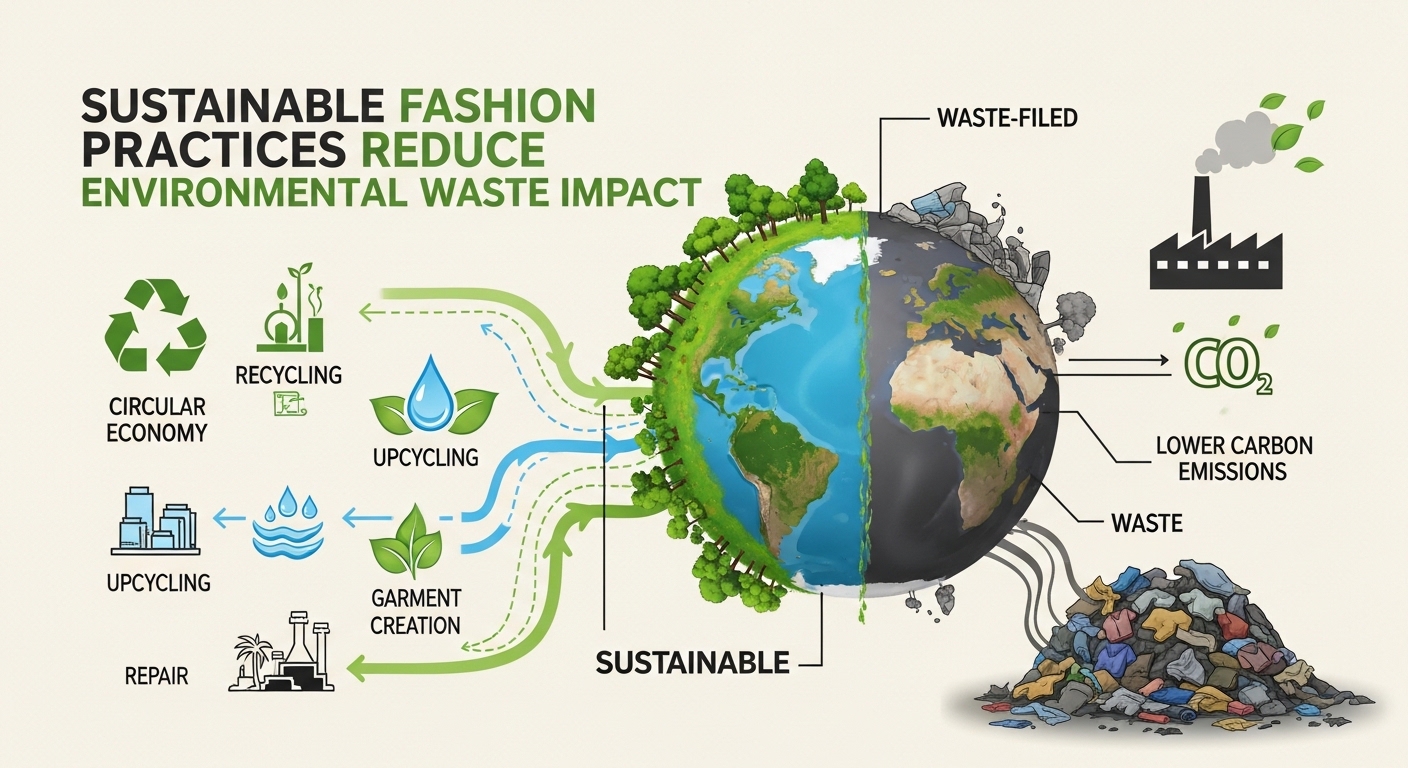
Sustainable fashion practices are reshaping the global clothing industry by significantly reducing environmental waste and promoting responsible consumption methods. As awareness grows among consumers and brands, the shift toward eco friendly materials, ethical production, and circular systems is accelerating rapidly, helping industries minimize pollution, conserve resources, and build long term environmental balance across global markets.
Sustainable Materials Adoption
Organic Fabric Usage
Organic fabric usage in sustainable fashion reduces dependence on harmful chemicals and synthetic fibers. It promotes healthier ecosystems and safer production environments. These materials decompose naturally, lowering pollution levels and supporting long term environmental sustainability while offering consumers responsibly produced clothing options worldwide.
Eco Friendly Fiber Innovation
Eco friendly fiber innovation focuses on developing biodegradable and renewable materials that replace conventional textiles. These innovations reduce carbon emissions, minimize water usage, and improve sustainability across supply chains. They enable fashion brands to create durable products while lowering environmental impact worldwide.
Recycled Textile Integration
Recycled textile integration allows fashion brands to reuse existing materials, reducing landfill waste and conserving natural resources. This practice supports circular production models, lowers manufacturing costs, and decreases environmental pollution. It plays a crucial role in promoting sustainable fashion systems.
Sustainable Dyeing Methods
Eco friendly dyeing methods reduce water pollution and chemical waste in the fashion industry. These techniques use natural or low impact dyes, minimizing environmental harm. They help manufacturers comply with sustainability standards while producing vibrant and safe textiles for global markets today.
Low Waste Cutting Techniques
Low waste cutting techniques optimize fabric usage during garment production by reducing leftover material. These methods improve efficiency, lower production costs, and minimize environmental impact. They support sustainable fashion goals by ensuring maximum resource utilization and reducing textile waste across manufacturing processes efficiently.
Circular Fashion Economy
Product Life Extension
Product life extension strategies in fashion focus on repairing, reusing, and maintaining garments to increase usability. This reduces textile waste and lowers consumption rates while supporting sustainable practices. It encourages consumers to value durability over fast fashion trends in global markets in modern economy today.
Recycling and Upcycling Systems
Recycling and upcycling systems transform old garments into new fashion items, reducing waste and conserving resources. These systems promote sustainable production and decrease landfill contributions while encouraging creative reuse. Fashion brands adopt circular models supporting environmental responsibility and long term sustainability goals.
Fashion Rental Systems
Fashion rental systems allow consumers to access clothing without ownership, reducing demand for new production. This model decreases textile waste, promotes reuse, and supports sustainable consumption habits. It provides affordable access to quality fashion while minimizing environmental impact in clothing industry.
Repair and Resale Models
Repair and resale models extend lifecycle of clothing by encouraging fixing damaged garments and reselling used items. This reduces waste generation, lowers demand for new production, and supports sustainable consumption patterns. These models build circular fashion systems and promote environmental responsibility in industry globally today.
Sustainable Supply Chain Practices
Sustainable supply chain practices ensure ethical sourcing, efficient production, and reduced environmental impact across fashion industries. These practices improve transparency, lower emissions, and promote responsible resource use. They help brands build environmentally friendly operations that support long term sustainability and global ecological balance across modern systems.
Ethical Manufacturing Processes
Fair Labor Practices
Fair labor practices in fashion ensure workers receive safe conditions, fair wages, and respectful treatment. These practices reduce exploitation, improve productivity, and support ethical production systems. They help brands build trust while promoting human rights and sustainability across global manufacturing industries worldwide standards today.
Transparent Supply Chains
Transparent supply chains allow fashion brands and consumers to track production processes from raw materials to finished products. This transparency reduces corruption, improves accountability, and supports ethical sourcing. It strengthens trust and ensures sustainability compliance across global manufacturing networks today globally.
Safe Working Conditions
Safe working conditions in fashion manufacturing ensure employee protection, reduce workplace accidents, and improve overall productivity. These conditions are achieved through safety regulations, proper training, and monitoring systems. They contribute to ethical production and support sustainable industry standards globally today globally.
Ethical Sourcing Standards
Ethical sourcing standards ensure raw materials used in fashion are obtained responsibly without harming people or the environment. These standards promote sustainability, transparency, and fair trade practices. They help companies maintain accountability while supporting environmentally conscious production systems across global markets in modern economy today.
Compliance and Certification Systems
Compliance and certification systems in fashion ensure brands meet environmental and ethical standards through audits and verified processes. These systems promote accountability, reduce violations, and strengthen consumer trust. They help maintain industry integrity and support sustainable development across global supply chains in modern global trade.
Waste Reduction Strategies in Fashion
Zero Waste Design Approaches
Zero waste design approaches focus on creating garments that leave minimal or no fabric waste during production. These methods optimize pattern making, improve efficiency, and support sustainable fashion goals. They reduce environmental impact while promoting responsible material usage across the industry in modern practices today.
Efficient Production Planning
Efficient production planning helps fashion brands reduce material waste by optimizing manufacturing schedules and resource allocation. It improves productivity, lowers costs, and supports sustainability. This approach ensures smoother operations and minimizes environmental impact throughout the production process across global systems today.
Sustainable Packaging Solutions
Sustainable packaging solutions reduce environmental waste by using biodegradable, recyclable, or reusable materials in fashion distribution. These solutions lower pollution, improve brand responsibility, and support eco friendly practices. Companies meet environmental standards while reducing overall packaging impact in global supply chains.
Localized Production Models
Localized production models reduce transportation emissions by manufacturing clothing closer to consumers. These models support local economies, decrease shipping waste, and improve supply chain efficiency. They help fashion brands respond quickly to market demands while promoting sustainable and environmentally friendly practices across global systems today.
Material Waste Management Systems
Material waste management systems help fashion companies track, reduce, and recycle production waste effectively. These systems improve sustainability, lower disposal costs, and enhance environmental responsibility. They support circular economy practices and ensure efficient resource utilization across manufacturing operations globally.
Consumer Behavior and Awareness
Eco Conscious Buying Habits
Eco conscious buying habits encourage consumers to choose sustainable fashion products that minimize environmental harm. These habits promote responsible consumption, reduce waste, and support ethical brands. They play a vital role in driving demand for environmentally friendly fashion solutions worldwide today.
Awareness Through Education
Awareness through education helps consumers understand the environmental impact of fashion choices. Educational campaigns promote sustainable practices, responsible consumption, and informed decision making. This awareness encourages behavioral change and supports eco friendly fashion adoption across global markets in modern society today.
Influence of Social Trends
Influence of social trends shapes consumer preferences in sustainable fashion by promoting eco friendly lifestyles. Social media, influencers, and cultural shifts encourage environmentally responsible choices. These trends increase awareness and drive demand for ethical and sustainable clothing worldwide across global markets.
Sustainable Lifestyle Adoption
Sustainable lifestyle adoption reflects how consumers integrate eco friendly fashion choices into daily life. It promotes reduced environmental impact, mindful consumption, and long term sustainability. This shift encourages responsible purchasing behavior and supports global efforts toward environmental preservation in modern world.
Ethical Consumption Awareness
Ethical consumption awareness encourages consumers to make responsible purchasing decisions that consider environmental and social impacts. It promotes sustainability, reduces waste, and supports fair production practices. This awareness helps build a more conscious and environmentally responsible global fashion industry today globally.
Technology in Sustainable Fashion
AI Driven Design Tools
AI driven design tools help fashion brands create sustainable clothing by optimizing materials, reducing waste, and improving efficiency. These tools analyze trends, predict demand, and support eco friendly production. They enhance creativity while minimizing environmental impact across the fashion industry in modern global markets today.
Data Analytics in Fashion
Data analytics in fashion helps brands understand consumer behavior, optimize production, and reduce waste. It improves forecasting, enhances efficiency, and supports sustainable decision making. These insights enable companies to create environmentally friendly strategies and improve overall industry performance globally.
Smart Manufacturing Systems
Smart manufacturing systems use automation and digital technologies to improve efficiency in fashion production. These systems reduce waste, lower costs, and enhance sustainability. They enable real time monitoring and support eco friendly practices across global manufacturing operations in modern industry today.
Blockchain Traceability Systems
Blockchain traceability systems enhance transparency in sustainable fashion by tracking materials and production stages securely. These systems prevent fraud, ensure ethical sourcing, and improve accountability. They allow consumers and brands to verify product origins and sustainability claims effectively across global systems.
Virtual Fashion Technology
Virtual fashion technology enables digital clothing design and simulation, reducing physical waste in production. It allows brands to test styles virtually, improve efficiency, and support sustainability. This innovation transforms the fashion industry by minimizing environmental impact and enhancing creativity globally.
Future of Eco Friendly Fashion Industry
Innovation Driven Sustainability
Innovation driven sustainability focuses on developing new technologies and methods that reduce environmental impact in fashion. It encourages eco friendly materials, efficient production, and responsible consumption. These innovations help the industry transition toward a greener and more sustainable future today.
Global Policy Support
Global policy support promotes sustainable fashion by encouraging regulations that reduce environmental harm. Governments and organizations implement standards that ensure ethical production and responsible sourcing. These policies help industries adopt eco friendly practices and drive long term environmental protection across modern economies today.
Consumer Driven Change
Consumer driven change plays a vital role in shaping sustainable fashion trends. As consumers demand eco friendly products, brands are forced to adopt greener practices. This shift encourages innovation, reduces waste, and promotes ethical production across the global fashion industry in modern world.
Circular Economy Expansion
Circular economy expansion in fashion focuses on reusing, recycling, and regenerating materials to minimize environmental waste. This approach supports sustainability, reduces resource consumption, and encourages responsible production systems. It helps transform the industry into a more eco friendly and efficient model.
Ethical Brand Accountability
Ethical brand accountability ensures fashion companies take responsibility for environmental and social impacts. It promotes transparency, fair practices, and sustainable production. This accountability encourages consumer trust and drives industry improvements toward eco friendly and socially responsible operations in modern global markets.
FAQs
What is sustainable fashion?
Sustainable fashion is clothing production that reduces environmental impact and promotes ethical practices.
How does sustainable fashion reduce waste?
It uses recycling, eco materials, and efficient production methods to minimize waste.
Why is eco friendly clothing important?
It protects the environment and reduces pollution caused by traditional fashion production.
What materials are used in sustainable fashion?
Organic cotton, recycled fabrics, hemp, and biodegradable fibers are commonly used.
Can sustainable fashion be affordable?
Yes, growing demand and innovation are making sustainable fashion more affordable.
Conclusion
Sustainable fashion practices are reshaping the global clothing industry by significantly reducing environmental waste and promoting responsible consumption. Through innovation, ethical production, and consumer awareness, the industry is moving toward a greener future. As technology advances and sustainability becomes a priority, fashion brands and consumers together can create long lasting positive environmental impact worldwide in modern world today.